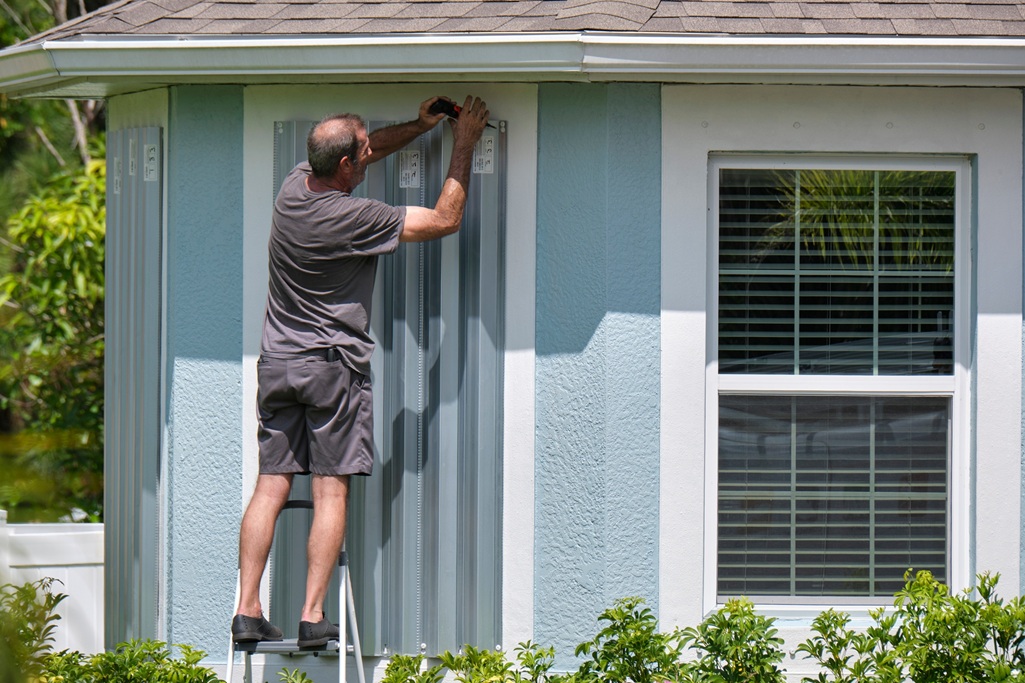
Homeowners used to choose windows and doors based on looks, price, and a basic energy rating. Today, the weather is making that decision for them. Record-breaking heat waves, polar vortex cold snaps, hurricane-force winds, wildfire smoke, and sudden freeze-thaw cycles are putting more stress on building envelopes than ever before. The openings in your home, your windows and doors, are its most vulnerable points.
Here is how shifting weather patterns are changing what homeowners look for, and what to consider before your next project.
Why Windows and Doors Are the Weak Link:
Walls and roofs get most of the attention, but windows and doors are where homes lose the most energy and where storms do the most damage. Air leaks around poorly sealed frames, thermal bridging through aluminum or low-grade materials, and failing weatherstripping all become more costly as temperatures swing to extremes.
A door or window that performed fine twenty years ago may now be warping, fogging between panes, or letting in drafts. That is often the first sign it is time to consider window replacement or door replacement.
Heat Waves – Keeping the Cool In:
Longer, hotter summers have pushed cooling costs up in regions that never used to worry about them. Homeowners are now asking for:
– Low-E glass coatings that reflect solar heat while letting light through
– Insulated glass units (IGUs) with argon or krypton gas fills
– Warm-edge spacers that reduce heat transfer at the glass perimeter
– Insulated fiberglass or steel entry doors that resist heat absorption and warping
Dark-colored doors and frames on sun-facing walls can also fail faster in intense heat, so material and finish choices matter more than they used to.
Extreme Cold and Freeze-Thaw Cycles:
On the other end of the spectrum, deep cold snaps and repeated freezing and thawing stress seals, frames, and thresholds. Single-pane or older double-pane units can lose their seals, leading to condensation, frost on the interior glass, and ice buildup.
For cold climates, homeowners are increasingly choosing:
– Triple-pane windows for superior insulation
– Thermally broken frames that stop cold from conducting inward
– Multi-point locking systems on doors that pull the slab tight against the frame
– Professionally installed thresholds and flashing to prevent moisture intrusion
Proper window installation is just as important as the product itself. Even the best window will underperform if it is poorly insulated or flashed during installation.
High Winds, Hurricanes, and Storm Debris:
In coastal and storm-prone areas, impact resistance has moved from a luxury to a necessity. Impact-rated windows and doors use laminated glass and reinforced frames to withstand flying debris and sustained high winds, and in many regions they are now required by code.
Beyond code compliance, homeowners are seeing real benefits:
– Reduced risk of catastrophic pressure changes if a window fails
– Lower insurance premiums in some areas
– Better noise reduction during storms
– Added security year-round
Reinforced door installation matters here too. Entry doors need heavy-duty hinges, strike plates, and deadbolts anchored into the structural framing, not just the trim.
Wildfire Smoke and Air Quality:
In wildfire-prone regions, air sealing has become a health concern as well as an energy one. Tight-fitting windows and doors with quality weatherstripping help keep smoke and particulates out. Some homeowners are also choosing tempered or multi-pane glass and fire-resistant frame materials, such as fiberglass or steel, in areas with ember exposure.
Moisture, Flooding, and Humidity:
Heavier rainfall and higher humidity are driving demand for water-resistant materials. Fiberglass, vinyl, and aluminum-clad frames hold up better than untreated wood in persistently damp conditions. Sealed thresholds, drip caps, and sloped sills help direct water away from openings, and these details are usually the difference between a door that lasts decades and one that rots within a few years.
Why Custom Solutions Are on the Rise:
Standard, off-the-shelf products rarely match the specific demands of a home’s climate, orientation, and architecture. That is why more homeowners are turning to custom window services and custom door services.
A custom approach allows you to:
– Match glazing and frame materials to your regional climate
– Fit unusual or older openings without compromising insulation
– Combine performance features, such as impact resistance with high energy efficiency
– Preserve the look of your home while upgrading its performance
Custom products also pair well with professional door installation services and window installation services, since measurements, flashing, and sealing can be tailored to your exact conditions.
The Importance of Professional Installation:
Product quality gets the spotlight, but installation determines whether the product delivers on its promise. Common problems from poor installation include:
– Gaps that allow air and moisture infiltration
– Improperly shimmed frames that cause binding or warping
– Missing or damaged flashing that leads to hidden water damage
– Voided manufacturer warranties
Working with experienced window installation services and door installation services helps ensure your new products meet manufacturer specifications and local building codes, and that they perform in the extreme conditions they were chosen for.
Signs It’s Time for a Replacement:
Not sure whether to repair or replace? Watch for these warning signs:
– Drafts or noticeable temperature differences near openings
– Condensation or fog between glass panes
– Difficulty opening, closing, or locking
– Visible rot, warping, cracking, or peeling finish
– Rising energy bills with no other explanation
– Water stains or mold around frames
If you notice several of these, a consultation about window replacement or door replacement can help you understand your options before a storm or temperature extreme makes the problem worse.
Planning Your Project:
Before you start, consider these steps:
- Assess your regional climate risks. Heat, cold, wind, wildfire, or flooding, or a combination.
- Prioritize performance ratings. Look at U-factor, solar heat gain coefficient, air leakage, and impact ratings.
- Choose materials built for your conditions. Fiberglass, wood-clad, vinyl, and aluminum each have strengths and tradeoffs.
- Consider custom options where standard sizes or specifications fall short.
- Hire qualified professionals for both product selection and installation.
Arcana Windows & Doors has been a trusted industry leader for over 30 years. If you are looking for a window replacement or door replacement, or just want to learn more about this service, contact us today for a free, no obligation consultation.